Bye-Bye Winter: Health Tests You Should Do During Seasonal Change
As winter ends and the weather starts getting warmer, many people notice changes in their health. Some feel tired, some catch frequent colds, and others experience allergies or body aches. Seasonal changes affect our immunity, digestion, heart, and respiratory system. That’s why doctors often recommend preventive health tests during this time. Early detection helps you stay healthy and avoid serious problems later.
Why Seasonal Change Affects Your Health

When winter ends:
- Temperature starts rising
- Air quality changes
- Pollen and dust increase
- Diet and daily routine change
These factors can:
- Weaken your immunity
- Trigger allergies and infections
- Affect blood pressure and sugar levels
- Cause fatigue and body pain
A simple health checkup can help detect these issues early.
Most Important Health Tests After Winter
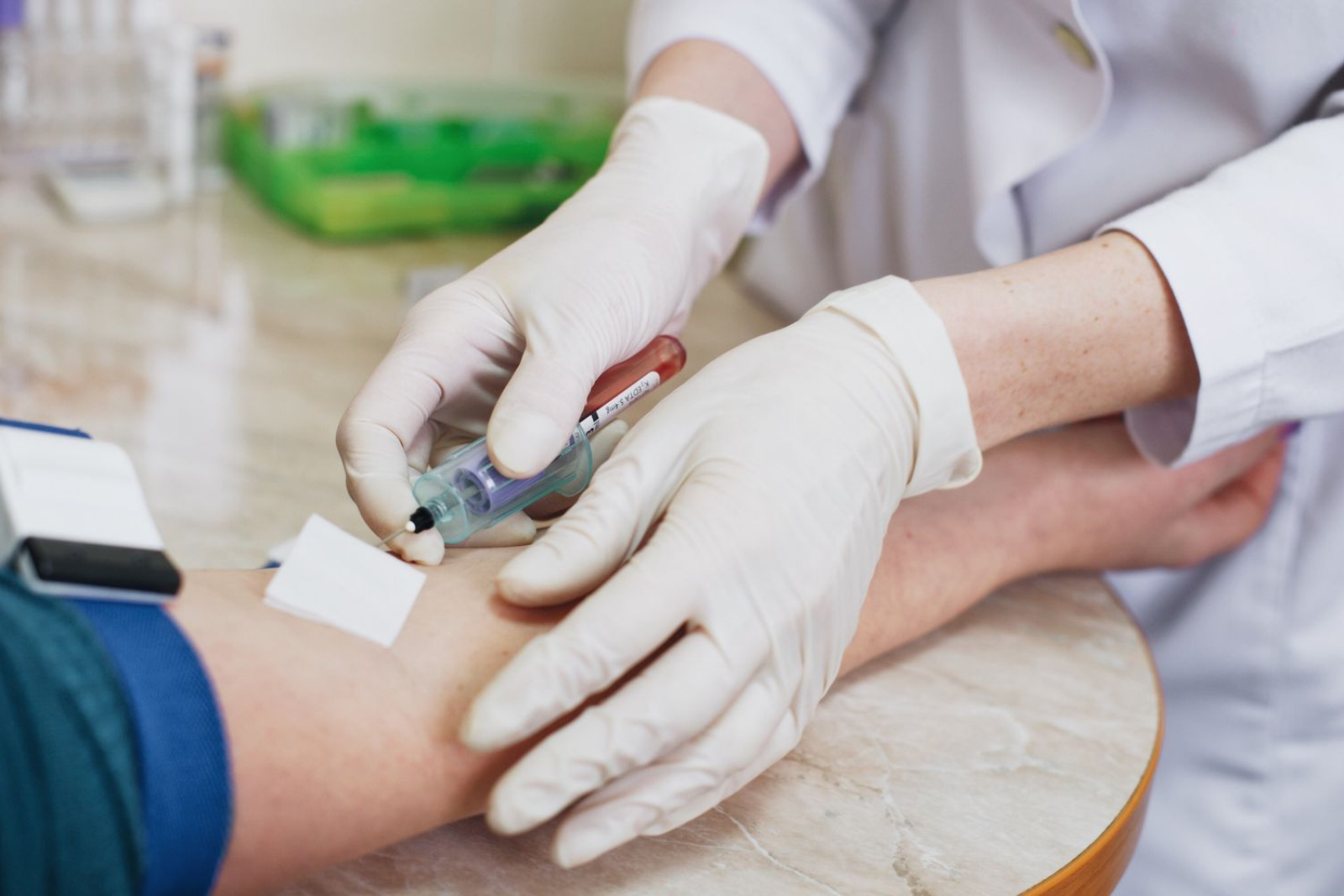
1. Complete Blood Count (CBC)
This basic blood test checks:
- Hemoglobin levels
- White blood cells (infection indicator)
- Platelet count
Why it matters:
Seasonal infections and weakness are common after winter. CBC helps detect anemia and infections.
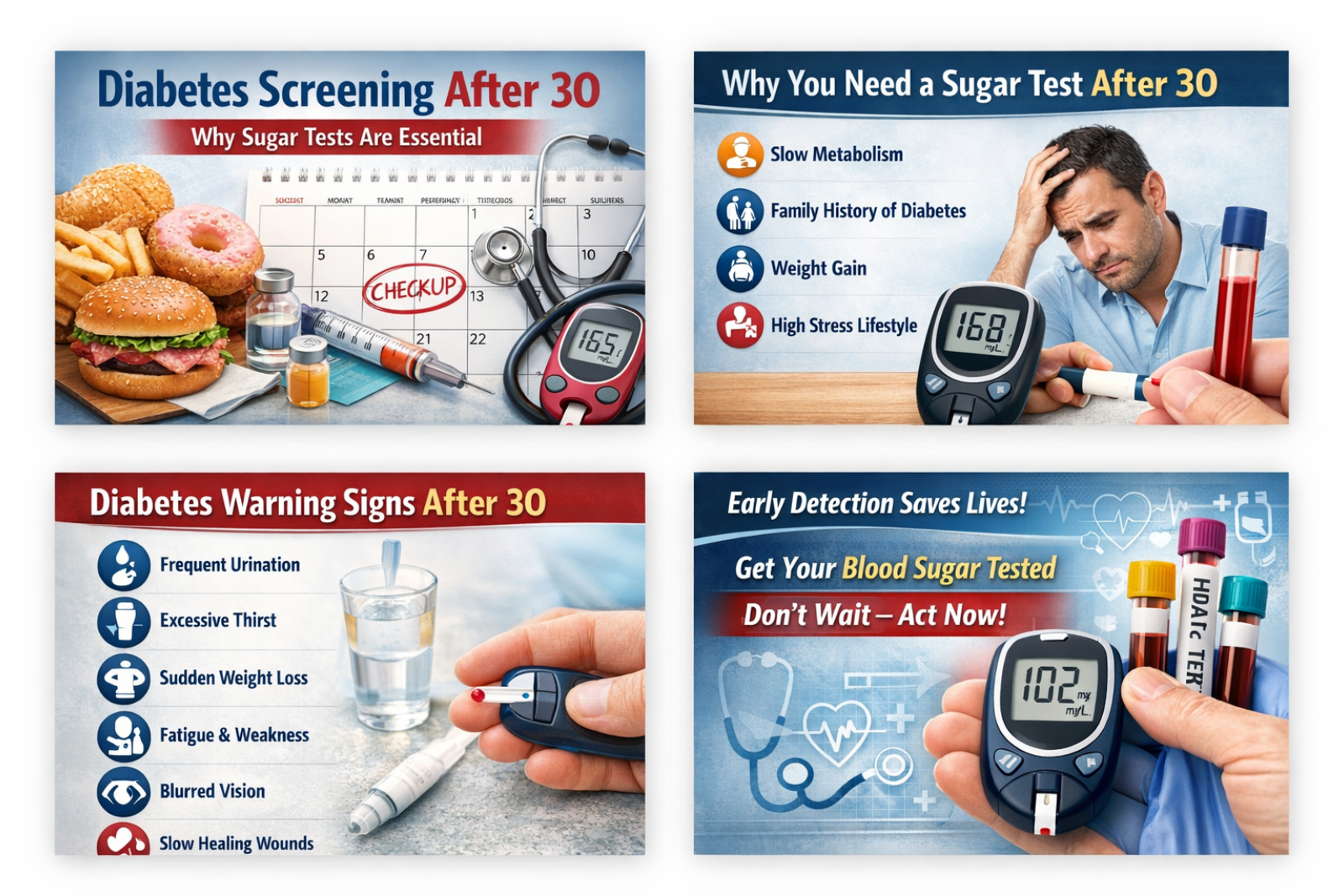
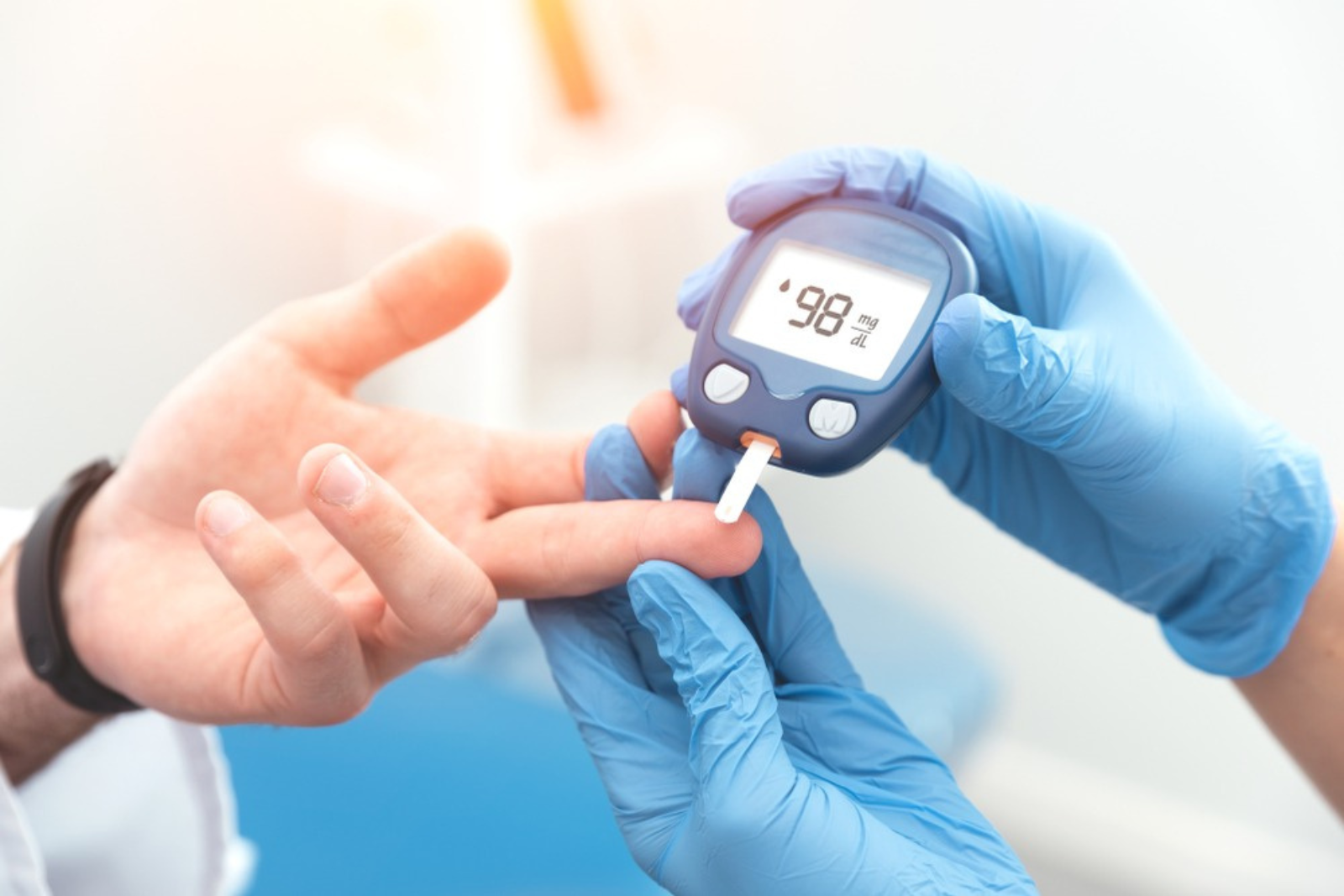
2. Blood Sugar Test
Checks your:
- Fasting sugar
- Post-meal sugar
- HbA1c (average sugar level)
Why it matters:
People often eat more sweets and heavy food in winter, which can raise blood sugar levels.
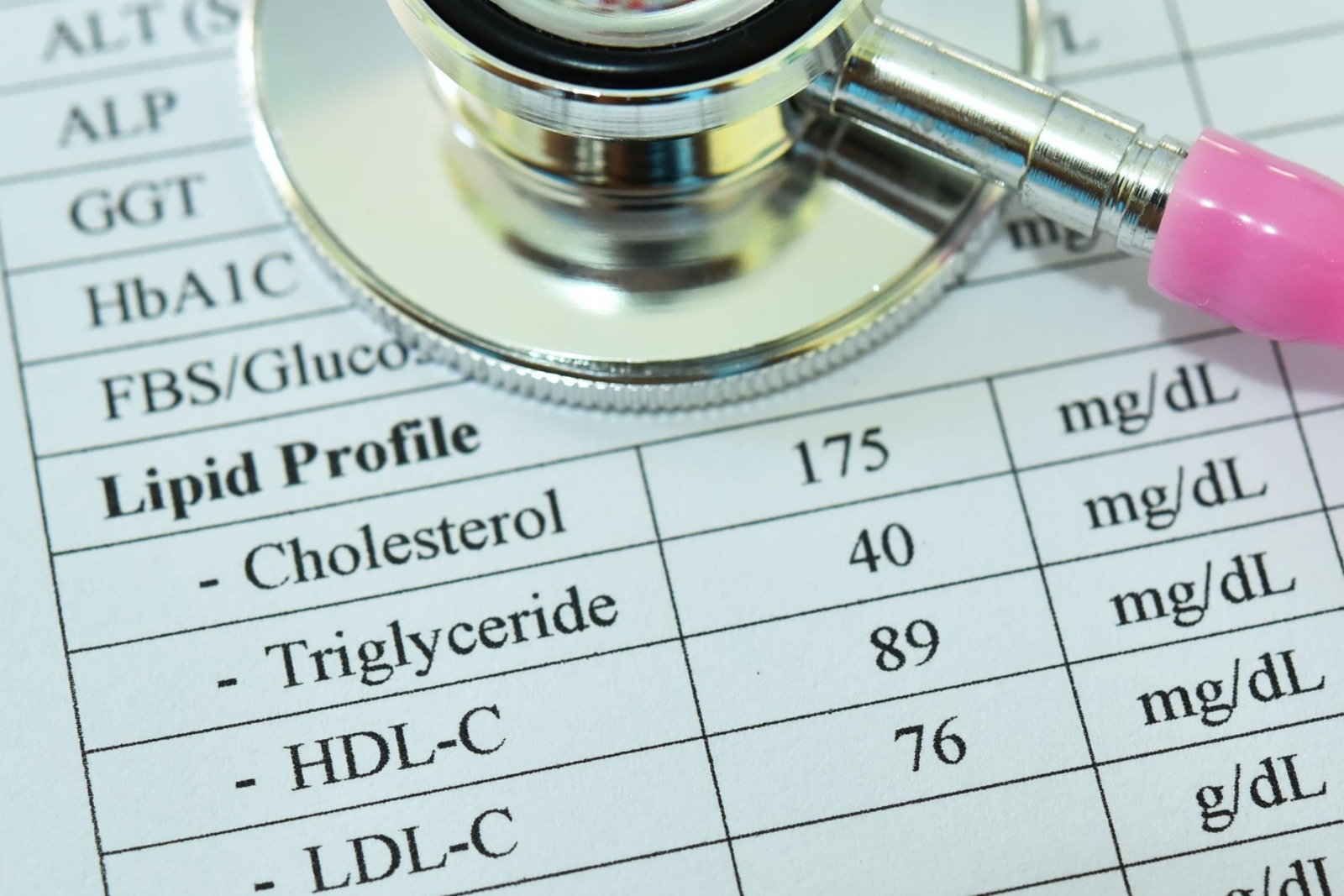
3. Lipid Profile (Cholesterol Test)
This test measures:
- Total cholesterol
- LDL (bad cholesterol)
- HDL (good cholesterol)
- Triglycerides
Why it matters:
Winter lifestyle with less activity and oily food can increase cholesterol and heart risk.
4. Vitamin D and Vitamin B12 Test
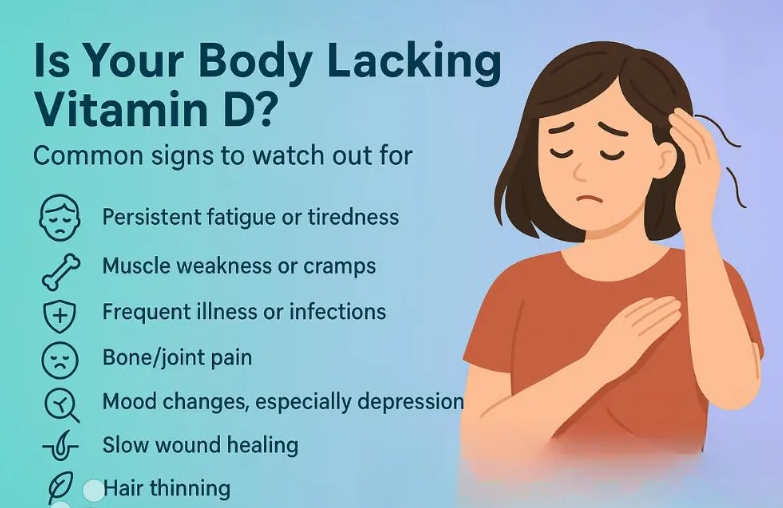
These vitamins are essential for:
- Energy levels
- Bone strength
- Immunity
- Nerve function
Why it matters:
Less sunlight exposure in winter often leads to Vitamin D deficiency, causing weakness and body pain.
5. Thyroid Function Test (T3, T4, TSH)
This test checks thyroid hormone levels.
Why it matters:
Seasonal changes can affect metabolism, leading to:
- Weight gain or loss
- Fatigue
- Mood changes
- Hair fall
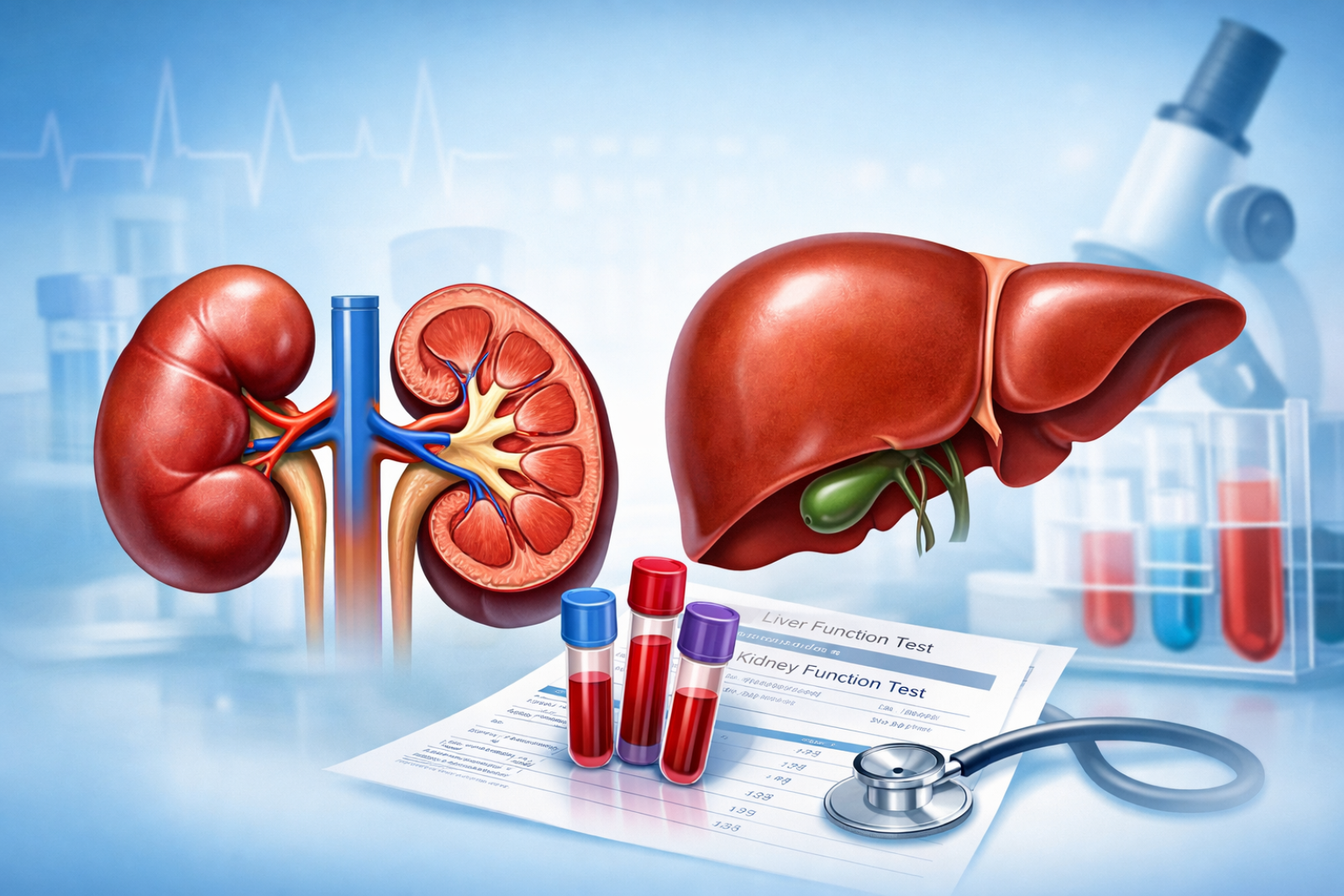
6. Liver and Kidney Function Tests
These tests check how well your:
- Liver
- Kidneys are working
Why it matters:
Diet changes and reduced physical activity during winter can affect organ function.
7. Heart Health Tests
Recommended tests:
- ECG
- Blood pressure check
- Cardiac risk markers
Why it matters:
Cold weather increases heart strain. Seasonal transition is a good time to check heart health.
Who Should Definitely Get Tested?
You should consider these tests if you:
- Feel constant tiredness or weakness
- Catch colds or infections frequently
- Have diabetes, BP, or thyroid problems
- Are above 30 years of age
- Have a sedentary lifestyle
- Gained weight during winter
Simple Health Tips for Seasonal Change
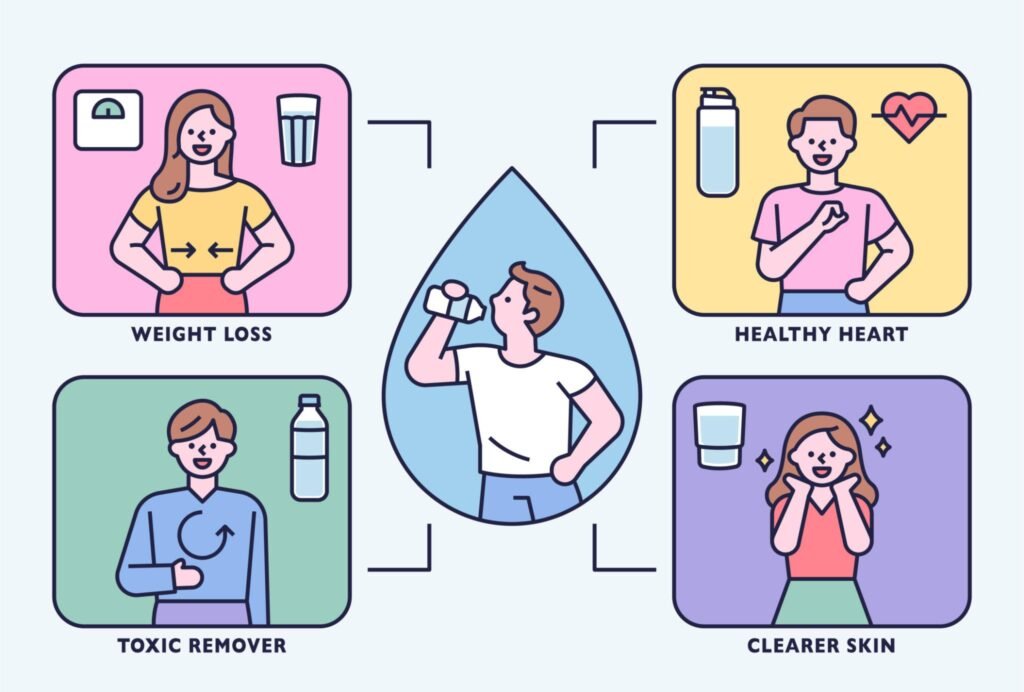
- Drink more water as weather warms up
- Eat fresh fruits and vegetables
- Exercise at least 30 minutes daily
- Get enough sunlight
- Sleep 7–8 hours daily
Why Preventive Health Checkups Matter
Many serious diseases start silently without symptoms. A simple test can:
- Detect problems early
- Prevent complications
- Save treatment costs
- Help you live a healthier life
Conclusion
Seasonal change is the perfect time to check your health. A preventive health checkup after winter helps you start the new season with energy and confidence. Don’t wait for symptoms. A small test today can prevent a big problem tomorrow.
To book your Health test, please Click here.