+91 7575907474 asianlabs@aimsindia.com
Diabetes Screening After 30: Why Sugar Tests Are Essential

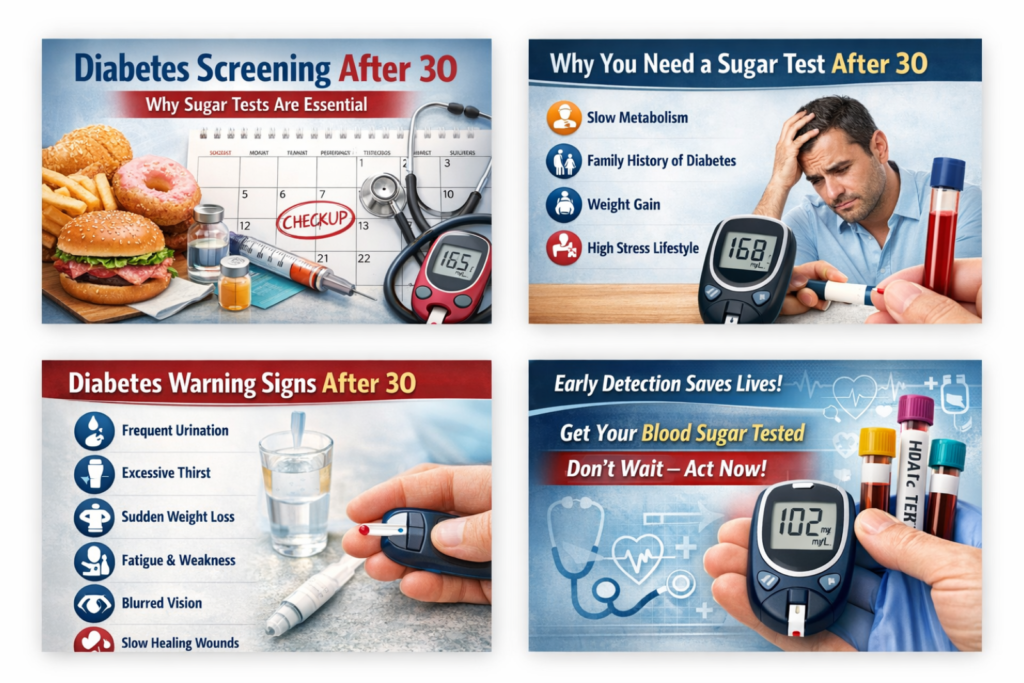
Diabetes Screening: Why Sugar Tests Are Essential After 30

In today’s fast-paced lifestyle, diabetes is becoming one of the most common health concerns—especially after the age of 30. Long working hours, stress, irregular eating habits, and lack of physical activity are increasing the risk of high blood sugar even in people who feel perfectly healthy. The most dangerous part? Diabetes often develops silently, without obvious symptoms. That’s why regular sugar tests are essential, particularly once you cross 30.

What is Diabetes?

Diabetes is a condition where the body either does not produce enough insulin or cannot use it properly. Insulin is the hormone that controls the level of glucose (sugar) in your blood. When insulin doesn’t work effectively, sugar builds up in the bloodstream, leading to high blood glucose levels.
There are mainly two common types:

  • Type 1 Diabetes: Usually develops early in life and requires insulin therapy.
  • Type 2 Diabetes: The most common type, often linked to lifestyle and age.

Why Does the Risk Increase After 30?

After the age of 30, the body’s metabolism naturally slows down. At the same time, modern lifestyles contribute to higher diabetes risk.
Common reasons include:

  • Sedentary work culture
  • Weight gain and belly fat
  • Irregular eating patterns
  • High stress levels
  • Lack of regular exercise
  • Family history of diabetes

Even if you feel healthy, your blood sugar levels may already be rising without symptoms.

When Should You Get Your Sugar Tested?

Experts recommend that:

  • After age 30: Get a blood sugar test at least once a year.
  • If you have risk factors: Test every 6 months.
  • If you are overweight or have a family history: Start screening even earlier.

Warning Signs You Should Not Ignore

Although diabetes can be silent, some people may notice:

  • Frequent urination
  • Excessive thirst
  • Sudden weight loss
  • Fatigue or weakness
  • Blurred vision
  • Slow wound healing

If you experience any of these symptoms, a sugar test should be done immediately.

How Is Diabetes Screening Done?

Diabetes screening is simple, quick, and painless. It usually involves one or more of the following tests:

1. Fasting Blood Sugar (FBS)

  • Measures blood sugar after 8–10 hours of fasting.

2. Postprandial Blood Sugar (PPBS)

  • Measures blood sugar 2 hours after a meal.

3. HbA1c Test

  • Shows your average blood sugar levels over the last 2–3 months.
  • These tests help detect:
    • Normal blood sugar
    • Prediabetes
    • Diabetes

How Is Diabetes Screening Done?

Early detection can prevent serious complications such as:

  • Heart disease
  • Kidney damage
  • Nerve problems
  • Vision loss
  • Stroke

Early detection can prevent serious complications such as:

  • Healthy diet
  • Regular exercise
  • Weight control
  • Medication if required

How Often Should You Test After 30?

Age Group
Recommended Screening
30–40 years
Once every year
40–50 years
Every 6–12 months
50+ years
Every 3–6 months or as advised

Simple Tips to Keep Blood Sugar Under Control

  • Walk at least 30 minutes daily
  • Reduce sugar and processed foods
  • Maintain a healthy weight
  • Get regular health checkups
  • Manage stress and sleep properly

To book your Health test, please Click here.

Building healthier communities with trusted diagnostics, advanced technology, and patient-first commitment.

© 2025 Asian Lab. All rights reserved

Address

ANMP Pharma Private Limited

Badkal Flyover, Road, Sector 21A, Faridabad, Haryana 121001

Our Location